A practical guide by Pasterkamp
There’s a lot to consider when designing or purchasing a Roll forming line. It’s not just about the machine, but also about product requirements, production capacity, investment level, and the partners you work with. Pasterkamp supports companies on a daily basis in the design, construction, and optimization of Roll forming lines. Based on our experience, we’ve outlined the most important steps.

Step 1: Understand your market and your product
The basis for any investment is a clear picture of the products you want to make and the market demand.
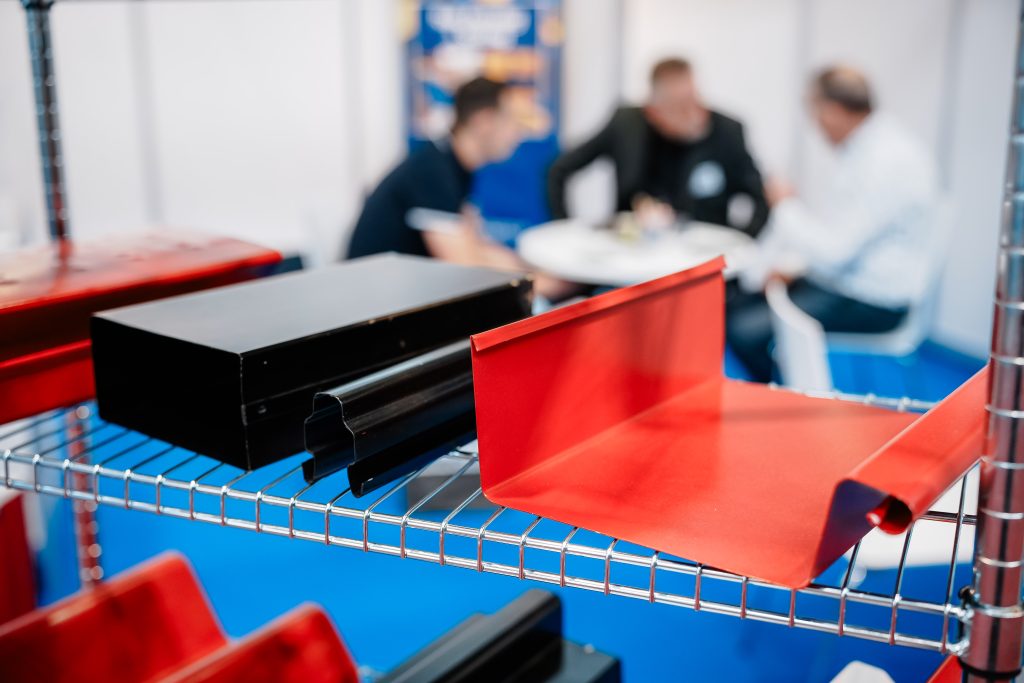
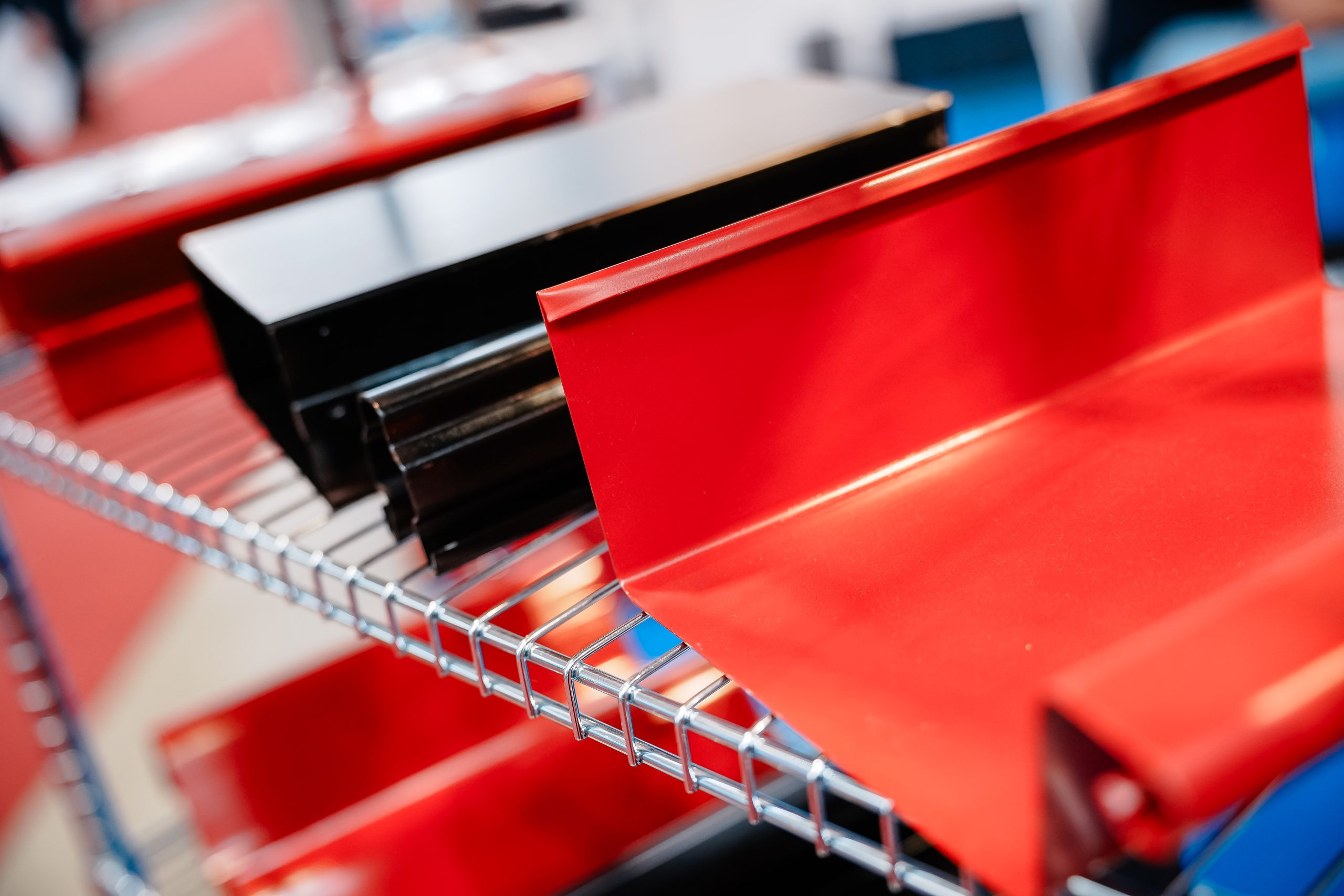
A. What profiles do you want to produce?
Determines the desired profile:
- the complexity of the rollform line
- the number of stations and type of tools
- the required coil width
- Any steps such as punching, stamping, cutting, printing, stacking
It is also wise to look at trends in your region: different markets require different profile shapes, coatings or tolerances.
B. What is the expected volume of production in the first year?
Volume determines, among other things:
- line speed
- number of operators
- required length of line
- choice between manual or automatic input
- Whether inline operations are cost-effective (such as punching or laser lines)
C. What is the growth forecast in 3-5 years?
Many companies double their production in the first few years. By thinking ahead, you can:
- directly choose a scalable line
- take into account expansions (punching unit, automatic packaging, robotic discharge)
- prevent future control adjustments
Step 2: Determine your technical needs and set a realistic budget
Once it is clear what you want to produce, the question follows: what equipment do you need?
Most role-forming projects begin with three core components:
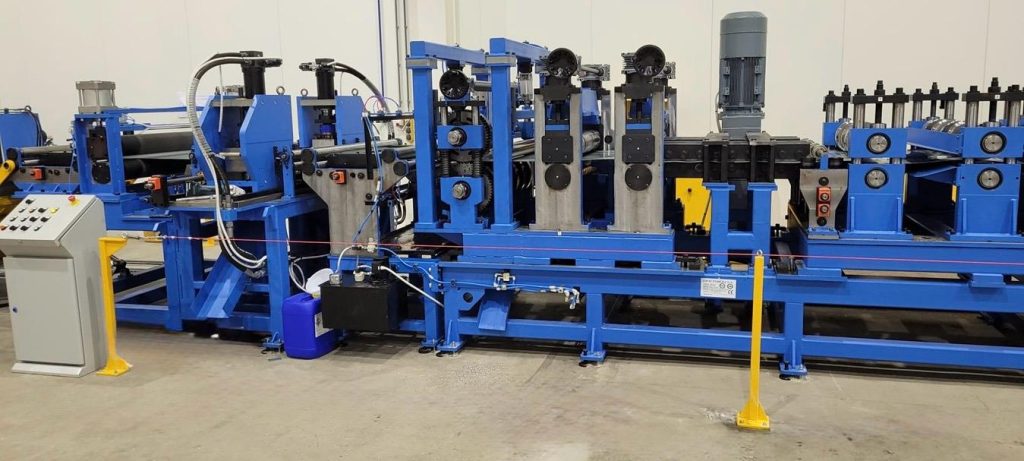
A. Roll forming machine
The heart of the line. Important aspects are:
- number of stations
- diameter and quality of shafts
- servo technology versus traditional drive
- material types to be processed
- flexibility in profile changes
A well-designed machine provides years of consistent quality and minimizes maintenance.
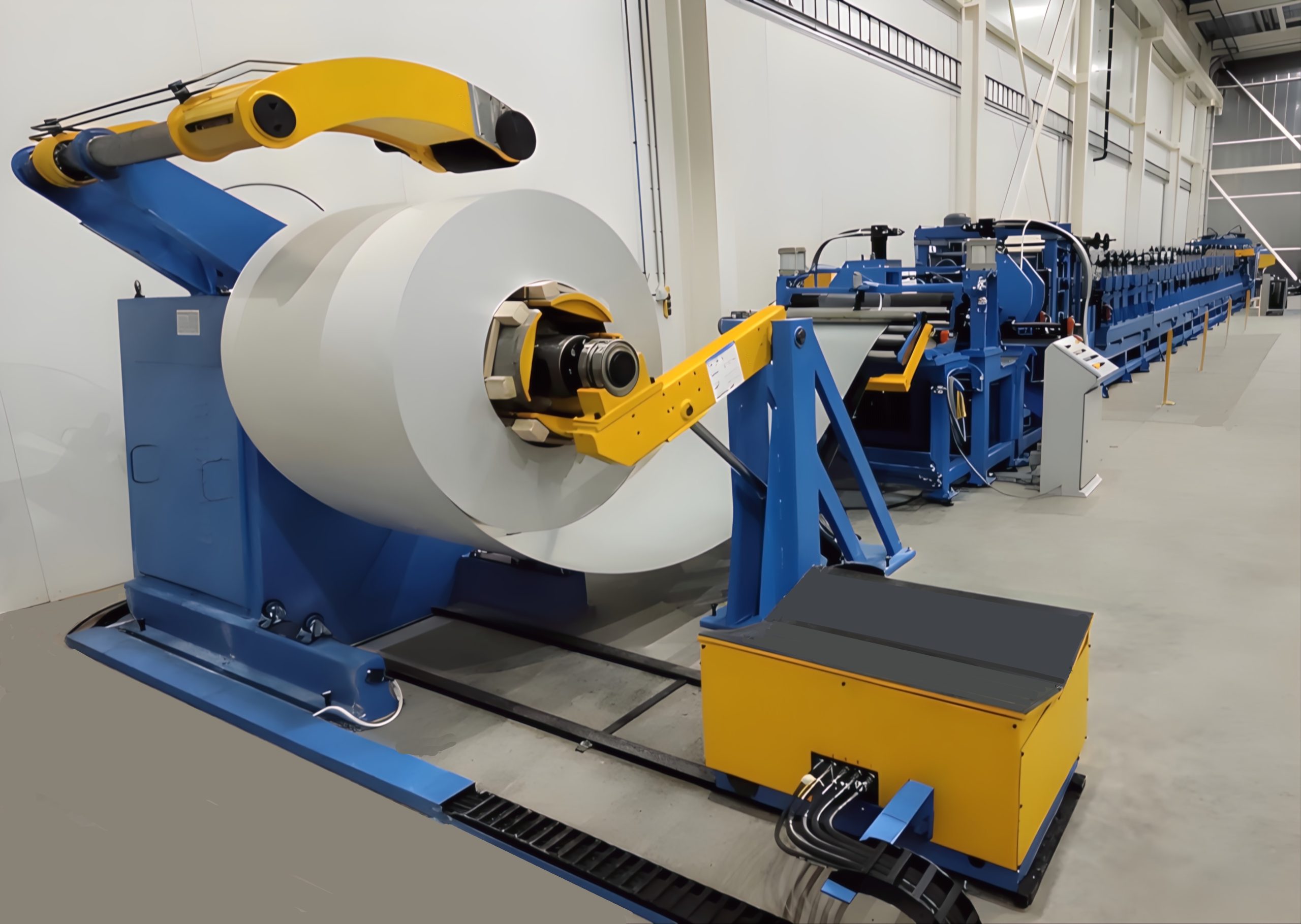
B. Pre- and post-processing:
decoiler, Straightener, feeding, stacking, packaging
Depending on your process, the line can be expanded to include:
- an automatic decoiler
- a straightener
- a servo-feeder
- a punching or cutting unit before forming
The goal is stable belt feed without stretch or torsion.
The desired level of Automation is also very important, especially when it comes to
- stacking
- packing
C. Cutting and trimming
Depending on your product, you can choose:
- batch cutting (scissors)
- flying cut
- die-cutting tools
The difference is mainly in speed, precision and flexibility between series.
Step 3: Choose the right partners
A roll forming line is an investment that will last for decades. Reliable partners are just as important as the machine itself.
Pasterkamp works with manufacturers and suppliers in the areas of:
- coil and sheet material
- drives, hydraulics and control technology
- profile expertise and engineering
- financing solutions
- assembly, service and training
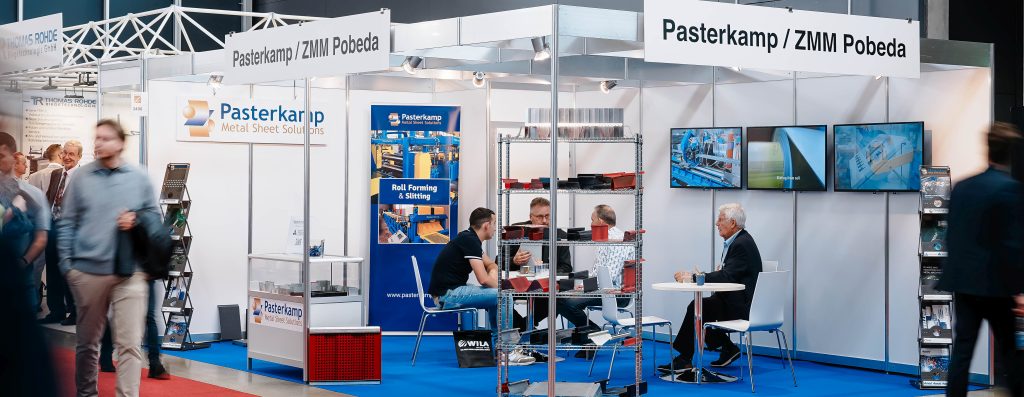
We support customers from design to installation, including service, spare parts and optimizations.
Step 4: Develop a realistic business plan
With the right knowledge and equipment, it is time to look at the whole thing.
A. Service as a differentiator
Smaller or new manufacturing companies can often distinguish themselves with:
- quick delivery times
- flexibility
- custom
- instant communication
B. Cost control and procurement
Coil prices and logistics are a large part of the cost price. By buying smart and producing efficiently, you can improve margins.

C. Specialization or niche products.
Many companies are growing fast by specializing, such as:
- long lengths in one piece
- small series or custom profiles
- speciale coatings of kleuren
- profiles with high strength or close tolerances
Conclusion
Choosing the right rollforming line is a combination of:
- A good understanding of your market and product
- a realistic estimate of production volumes
- the right technical choices
- cooperation with experienced partners
For many years Pasterkamp has been helping companies develop efficient, reliable and future-proof roll forming solutions. With the right preparation, you lay a solid foundation for successful and profitable production.
Together, we’re building the ideal Roll forming line
At Pasterkamp, we supply complete, custom Roll forming lines in collaboration with renowned partners.
Our Dutch service technicians handle all installation, service, and maintenance—direct communication, fast response times.
Do you have a profile or idea in mind?
We like to think with you. Please contact us for advice or a custom quote.
Fill out our roll forming calculator and see your ROI in 3 steps.
Choosing the Right Roll forming Line